
Whoa! I opened my browser one afternoon and my wallet felt fragile. It was oddly scattered across chains, plugins, and tabs. My instinct said something felt off about juggling separate apps—seriously, who wants that? Initially I thought browser wallets were just convenience tools, but then I realized they shape whether you actually use DeFi or bail out when gas spikes and UX flops.
Here’s the thing. Good extension wallets let you move across Ethereum, BSC, and layer‑2s without a meltdown. They hide complexity but keep control in your hands. On one hand that’s magic for power users; though actually, new folks need clear affordances and guardrails. I’m biased, but the best wallets feel like good luggage—sturdy, organized, and not flashy. Okay, so check this out—multi‑chain support is more than toggles and chain IDs; it’s about wallets understanding user flows, approvals, and risk patterns.
Whoa! Seriously? People still copy‑paste addresses between tabs. That bugs me—big time. For years I believed hardware wallets were the endgame, then I started using modern extension wallets and my workflow changed. Actually, wait—let me rephrase that: hardware for cold storage, extensions for daily DeFi interaction. They complement, they don’t replace. My first impression was “meh”, but after a week of swapping assets across testnets my thinking evolved.
How a Multi‑Chain Extension Changes Everyday DeFi
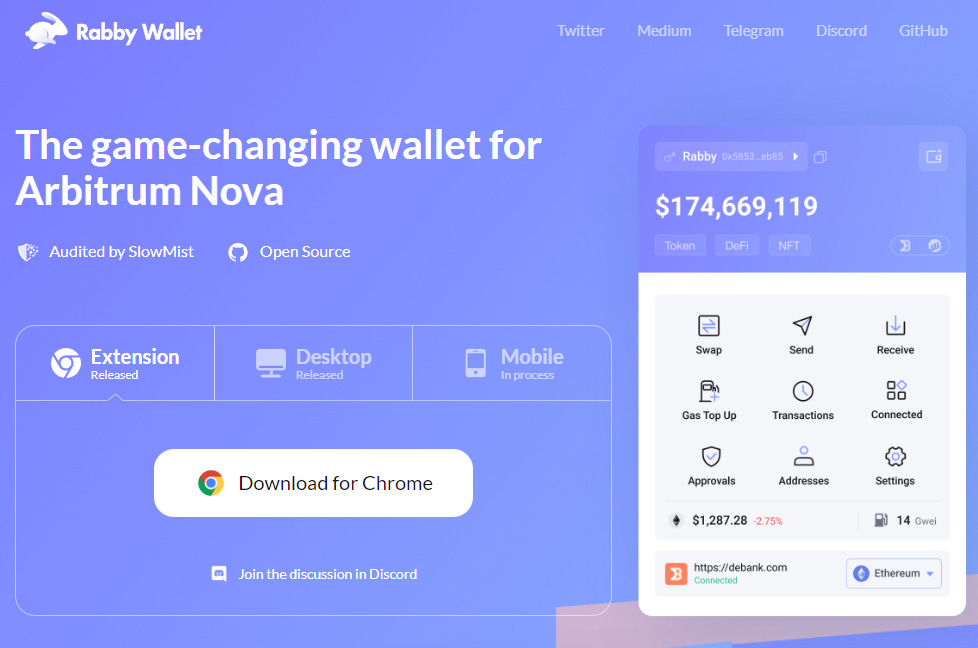
Extensions let you sign, swap, and approve without leaving the tab. They inject web3 into pages securely, and when done right they reduce cognitive load. Rabby made this clearer to me—its UI groups approvals and shows granular permissions, which turned a cluttered process into somethin’ manageable. When you compare the flow side‑by‑side, you notice less accidental approvals, fewer wrong-network blunders, and a faster mental model for trading. On the other hand, browser extensions add attack surface, so good design alone isn’t enough; security patterns matter too, from transaction batching to permission history.
Hmm… here’s a tiny rant. Many wallets still show transactions as cryptic hex blobs. That used to be normal. Now it’s lazy. Wallets should translate intent—who’s receiving funds, what’s the slippage, is this an approval forever? My instinct said: “Make it transparent or lose trust.” And developers are slowly catching up. Some apps show token logos and human‑readable memos. Others still expect you to be psychic.
Security can be subtle. One misclick and an allowance becomes a hole you have to patch. Initially I thought “revoke and move on”—but actually, revoking can be complex and messy, and sometimes it costs more than the mistake. So the wallet’s role includes recovery guidance and permission auditing. A wallet that surfaces risky approvals and suggests revokes changes behavior. People become more careful when the interface educates them, not when it blames them.
Wow! There are tradeoffs. Extensions are convenient, yes. But they live in the same environment as every other tab and extension, and that shared space invites phishing and malicious injectors. Good wallets sandbox critical actions and require explicit user gestures for sensitive tasks. They also keep audit trails that you can review later. I’m not 100% sure every user wants that level of detail, but power users will crave it—and novices will benefit from defaults that are safe, not permissive.
Design Patterns I Want to See Everywhere
Short confirmations with context. Medium‑complexity transaction previews. Long, optional technical logs for those who want them. Honestly, that three‑tiered approach is rare, but it works. Wallets should offer smart defaults and let users escalate to advanced modes without losing the simple flow.
Here’s a must: permission grouping. When a dapp requests token approvals, show grouped approvals and suggest “allow once” by default. My instinct said this would be obvious, though surprisingly many wallets still push “approve forever” as the path of least resistance. Something else bugs me—notification fatigue. Too many alerts and people just click. So the UX needs to prioritize only the truly risky approvals.
On the analytics side, wallets that visualize where your funds live across chains make decisions easier. You glance and see where your exposure is concentrated. That alone reduces surprising gas costs and bad swaps. Also, transaction simulation previews—some wallets and plugins simulate the result of a swap to show slippage and possible reverts. That should be table stakes.
Whoa! Quick note: I tested several extensions while writing this, and one pattern kept popping up—users need quick access to revoke permissions. If the revoke flow takes five steps, people won’t do it. Make it three steps max. Make revoke obvious. Make it feel empowering, not punitive.
Common Questions About Multi‑Chain Extension Wallets
Is a browser extension wallet safe enough for daily DeFi?
Short answer: yes, with caveats. Use strong OS hygiene, avoid suspicious extensions, and prefer wallets that show granular approvals. Long answer: pair the extension with cold storage for large holdings, and limit token approvals when interacting with new dapps. I’m not perfect at this either—I learned the hard way that convenience invites complacency.
What makes one wallet better than another?
Look for multi‑chain UX coherence, permission transparency, and transaction simulation. Also check community audits, open‑source status, and active development. Personally, features that saved me time: approval history, network auto‑switching for specific dapps, and built‑in swap routing that shows on‑chain costs.
Any wallet recommendation?
If you want a starting point that balances safety with usability, try rabby. It felt polished and thoughtful in permission handling during my tests. I’m biased, and your mileage will vary, but rabby is worth a look if you value clarity over flashy but shallow features.